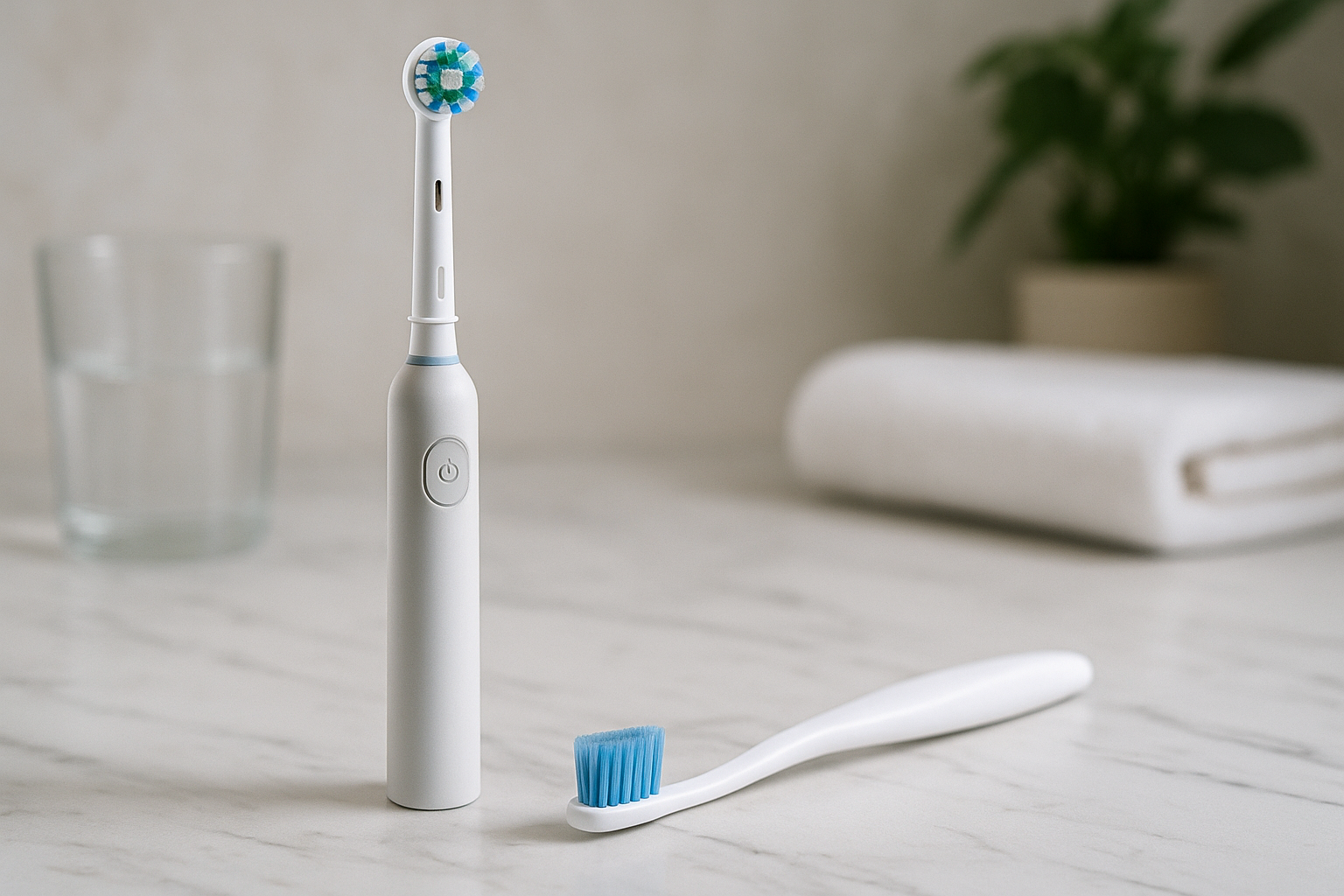
Is an Electric or Manual Toothbrush Actually Better for Your Teeth?
About 30% of people brush for less than 45 seconds — and most of us think we're doing it right. The electric vs manual toothbrush debate matters a lot more than most people realize, because the wrong tool combined with bad technique is what lands you in a dentist's chair getting told you have early-stage gum disease.
Here's the short answer: electric toothbrushes generally do a better job, especially for people who rush, have mobility issues, or are prone to gum problems. But a manual toothbrush used correctly can be equally effective for plenty of people. The nuance is in understanding why — and what "correctly" actually means in practice.
What Dentists and Dental Associations Recommend
Both the American Dental Association (ADA) and the British Dental Association give the nod to powered toothbrushes for most people, though neither says manual brushes are inadequate when used well. What dentists say in the chair tends to be more direct.
Dr. Mark Burhenne, a family dentist and founder of AskTheDentist.com, has publicly stated that electric toothbrushes remove more plaque and are better at reaching the gumline — but only if you're not already brushing with excellent technique. Most people aren't. Studies estimate that fewer than one in three adults use proper brushing technique consistently.
If you ask a dentist recommended toothbrush for the average patient, the honest answer from most clinicians is: powered, ideally with a pressure sensor. Not because manual is bad, but because the bar for "good enough" manual technique is higher than most people clear on a daily basis.
Clinical Studies: Which Removes More Plaque and Reduces Gum Disease
The evidence here is fairly solid. A 2019 Cochrane Review — one of the most comprehensive systematic reviews in dentistry — analyzed 56 clinical trials involving nearly 5,000 participants. The findings:
- Electric toothbrushes reduced plaque by 21% more than manual after 1–3 months
- Gingivitis (gum inflammation) was reduced by 11% more with electric brushes over the same period
- The benefits were even more pronounced at 3 months and beyond
Oscillating-rotating brushes (like Oral-B's round-head design) consistently outperformed both manual brushes and other powered brush types in these trials. Sonic brushes (like Philips Sonicare) showed strong results too, though the direct comparison between sonic and oscillating-rotating is closer than either vs. Manual.
For manual vs electric toothbrush plaque removal specifically, the data consistently favors electric — but the margins tighten significantly when study participants are coached on proper manual technique beforehand. That's the key caveat the headlines often skip.
Brushing Technique: How Much Skill Matters With Each Type
With a manual toothbrush, technique is everything. You need to:
- Hold the brush at a 45-degree angle to the gumline
- Use short, gentle back-and-forth or circular strokes
- Brush for a full two minutes, spending roughly 30 seconds per quadrant
- Apply light pressure — most people push too hard
That last one trips people up constantly. Brushing too hard causes gum recession over time, and it's much easier to over-brush with a manual toothbrush because there's no feedback mechanism stopping you.
Electric toothbrushes with pressure sensors (like the Oral-B iO Series 4 or Philips Sonicare ProtectiveClean 4100) give you a visual or haptic alert when you're pushing too hard. That alone changes outcomes for a lot of patients. You also don't need to create the motion yourself — you just guide the brush. For someone who rushes their morning routine, that's a real advantage.
The technique ceiling for electric is lower. You can be a mediocre brusher and still get decent results. Manual toothbrushing rewards good habits and punishes bad ones more harshly.
Electric vs Manual Toothbrush: Full Cost Breakdown Over 1, 3, and 5 Years
Let's run the actual numbers, because "electric toothbrushes are expensive" is only partly true.
Manual Toothbrush Costs: - A quality manual brush (Colgate Extra Clean, Oral-B Indicator) costs $2–$5 - Replace every 3 months = 4 brushes per year = $8–$20/year - 5-year total: $40–$100
Electric Toothbrush Costs: - Entry-level: Oral-B Pro 1000 (~$40) or Philips Sonicare 1100 (~$30) - Mid-range: Oral-B iO Series 4 (~$100) or Sonicare ProtectiveClean 5100 (~$110) - Replacement heads: ~$5–$12 each, replaced every 3 months - Annual head cost: $20–$48/year - 5-year total (entry-level handle + heads): $140–$280
Over five years, you're spending roughly $100–$200 more for an electric brush. For context, a single filling typically costs $150–$300 out of pocket. If the electric brush helps you avoid even one dental procedure in five years, it's already paid for itself.
The Oral-B Pro 1000 is the sweet spot for most people. It has a pressure indicator, a 2-minute timer, and costs under $50. No need to spend $200+ on a Bluetooth-enabled handle unless you genuinely want app feedback on your brushing habits.
Which Type Is Better for Specific Dental Conditions and Needs
Braces or orthodontic work: Electric wins. An oscillating brush cleans around brackets far more effectively, and sonic vibrations help dislodge food stuck in wires. Waterpik as an add-on is worth it here too.
Sensitive teeth or gums: Electric wins, particularly Sonicare models, which have sensitivity modes and gentler sonic action. The Sonicare DiamondClean ($150–$200) is popular with patients who have receding gums.
Kids: Toss-up, but electric brushes with timers and appealing designs (Oral-B Kids, Sonicare for Kids) get children to actually brush longer. The Oral-B Kids Electric Rechargeable runs about $35–$50.
Arthritis or limited dexterity: Electric is clearly better. The handle does the work; you just move it around your mouth.
People with excellent technique and discipline: Manual is genuinely fine. Some dental hygienists prefer manual for their own brushing — they've put in the reps.
Dental implants: Check with your dentist, but sonic toothbrushes are often recommended because they're gentler than oscillating-rotating types near implant edges.
Environmental Impact: Sustainability Comparison You Probably Haven't Considered
Manual toothbrushes generate about 1 billion pounds of plastic waste annually in the US alone. Most end up in landfills since the multi-material construction makes recycling difficult.
Electric toothbrushes use replaceable heads, so you're not throwing away a whole handle every 3 months. The heads are smaller and generate less plastic overall — though they're still largely unrecyclable through standard channels.
Bamboo manual toothbrushes (Brush with Bamboo, ~$5–$6 each) offer a biodegradable handle, though the nylon bristles still need to be pulled and composted separately.
Terracycle's Oral Care Recycling Program accepts both electric heads and manual brushes in the US at no cost, but you have to ship them in. It's more effort than most people will make.
If sustainability is a real priority for you, a bamboo manual brush beats electric on environmental grounds. If effectiveness is your main concern, electric wins and the waste trade-off is relatively modest.
Travel, Convenience, and Everyday Practicality
Manual toothbrushes win on travel without argument. No charger, no voltage concerns, no TSA worries about carry-on liquids for toothpaste (wait, that's universal). A manual brush weighs almost nothing and fits in any bag.
Battery-powered electric brushes (not rechargeable) are a decent middle ground — the Oral-B Pulsar (~$6–$8) runs on an AA battery and gives you powered brushing without the charging base. Good for short trips.
For regular travel with a rechargeable electric brush, the Sonicare DiamondClean and Oral-B iO Series 9 both include travel cases, and most Sonicare chargers are dual voltage. Still more hassle than a manual brush, but manageable.
For home use, the charging routine takes about 10 seconds of effort every two weeks. That's not a real inconvenience for most people.
Best Electric Toothbrushes vs Best Manual Toothbrushes: What to Look For
Best Electric Picks: - Oral-B Pro 1000 (~$40): Best value for most people. Pressure sensor, 2-min timer, oscillating-rotating head with proven Cochrane trial results. - Philips Sonicare ProtectiveClean 4100 (~$50): Best for sensitive teeth or anyone who prefers sonic feel. - Oral-B iO Series 4 (~$100): Upgraded pressure feedback and quieter motor. Worth it if you want a long-term handle to invest in.
Best Manual Picks: - Oral-B Soft 35 Indicator (~$3): Classic. The color-fade bristles actually tell you when it's time to replace. - Colgate 360 Soft (~$4): Wider brush head cleans cheeks and tongue too. - Brush with Bamboo (~$5–$6): Best option if sustainability matters to you.
For any brush, soft bristles are better than medium or hard — dental associations have recommended soft for years. Hard bristles don't clean better; they just wear down enamel.
Who Should Switch to Electric (And Who Can Stick With Manual)
Switch to electric if you: - Brush for less than 90 seconds most days - Have been told you have gingivitis or early gum disease - Have arthritis, Parkinson's, or limited hand mobility - Have braces or a complex dental setup - Are helping a child develop brushing habits
Stick with manual if you: - Already have excellent technique and brush for two full minutes consistently - Travel constantly and find charging a real hassle - Are on a very tight budget and won't neglect technique - Prefer sustainability over marginal performance gains
How to Get the Most Out of Whichever Toothbrush You Choose
No toothbrush outperforms skipping brushing, flossing, or regular cleanings. A few reminders that make a real difference:
- Replace your brush or head every 3 months, not when it looks destroyed
- Brush for 2 minutes — use a timer if you doubt yourself
- Don't rinse immediately after brushing — let the fluoride toothpaste sit for a minute
- Floss or use a water flosser daily — no brush cleans between teeth
- Brush before breakfast, not after, if you've eaten acidic food (orange juice softens enamel temporarily)
The Verdict: Electric vs Manual Toothbrush Side-by-Side Summary
| Factor | Electric | Manual |
|---|---|---|
| Plaque removal | ✅ Better (21% in clinical trials) | Good with perfect technique |
| Gum health | ✅ Better (11% less gingivitis) | Adequate with consistency |
| Ease of use | ✅ Lower skill requirement | Requires good technique |
| Cost (5 years) | $140–$280 | $40–$100 |
| Travel friendliness | Decent with planning | ✅ No friction |
| Sustainability | Moderate | ✅ Better (with bamboo) |
| Kids & seniors | ✅ Easier to use correctly | Harder to use well |
For most people, is electric toothbrush better than manual comes down to this: yes, by a measurable margin — but only if you actually use it consistently. A manual toothbrush used perfectly beats an electric one that sits on the charger while you rush through 30 seconds of brushing.
Start here: If you haven't already, pick up an Oral-B Pro 1000 or a Sonicare 1100 and use it for 90 days. Book a dental cleaning if you're overdue. Then have your hygienist tell you where you're missing. That feedback is worth more than any toothbrush debate.